
When Your Body Reacts Like the Trauma Is Still Happening – Even Though You Know It’s Over
You’re not weak – You’re not broken – And you’re not failing therapy.
Many common PTSD treatments help you cope, but they don’t change the emotional memory itself, so symptoms often return.
If nothing has worked before, that’s not because you failed. It’s because most approaches don’t target the mechanism that actually keeps PTSD alive.

Your nervous system is responding to a memory that never fully updated
PTSD is what happens when that survival memory keeps firing like the danger is still here.
That’s why panic comes out of nowhere.
That’s why sleep won’t stay peaceful.
That’s why triggers hijack your body before you can think.
PTSD isn’t a lack of coping skills.
It’s a trauma memory that still feels present – not past.
And that can change.
Why PTSD Doesn’t Go AwayJust Because You“Know You’re Safe”
If you live with PTSD, you’ve probably heard things like:
- “You’re safe now.”
- “Try grounding.”
- “Challenge the thought.”
- “Breathe through it.”
And yet… your body still reacts like danger is happening right now.
That’s because PTSD is not stored as a normal memory.
Traumatic memories are encoded in survival circuits of the brain, especially the thalamic relay and the amygdala where logic and reassurance don’t reach. Until that memory is updated, your nervous system stays on high alert, no matter how much insight you have.
This is not a failure of willpower or therapy.
It’s a memory problem, not a motivation problem.
We help your brain update the memory that keeps PTSD alive, so it no longer hijacks your nervous system.”
At The PTSD Solution, we work directly with the mechanism that maintains PTSD.
In simple terms, we help your brain store the trauma as a completed past event, so your body stops reacting like it’s happening now
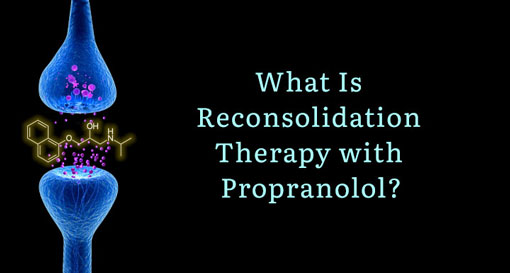
Using Reconsolidation Therapy with Propranolol, we help the brain do something it couldn’t do at the time of trauma:
Re-store the memory without the intense emotional charge.
When the memory updates, the fear response no longer fires automatically.
Not suppressed.
Not managed.
Resolved at the source.
How We Help
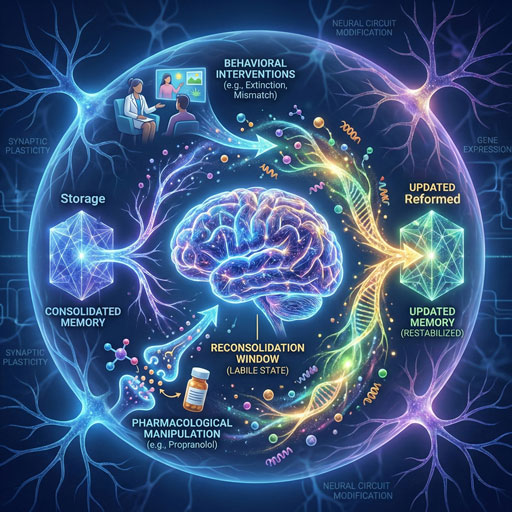
When a memory is briefly reactivated under specific conditions, it becomes modifiable, this is called memory reconsolidation.
Propranolol, a well-studied medication, blocks the adrenaline response during this window, allowing the emotional intensity to be reduced when the memory is stored again.
What changes is not what you remember, but how your body responds.
Clients often notice:
- Triggers lose their power
- Panic stops arriving out of nowhere
- Sleep improves
- The body finally calms down
- The trauma feels over, not ongoing
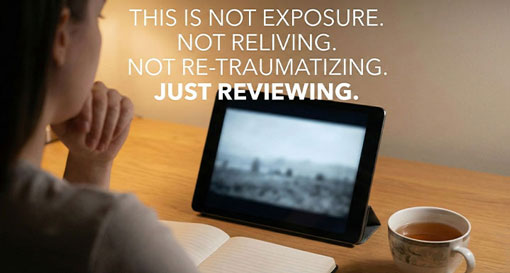
You Don’t Need To Relive It
You do not have to:
- Re-experience the trauma
- Tell every detail
- Push through overwhelming fear
- “Desensitize” yourself repeatedly
This approach is designed to be targeted, controlled, and neurologically safe.
Many clients say:
“I remembered it, but my body didn’t react the same way. For the first time, it felt like the past.”

This is For You
This approach may be right for you if:
- You’ve tried therapy before and still feel stuck
- Your symptoms feel physical, automatic, or out of your control
- Triggers and panic come before thought
- You’re tired of managing symptoms instead of resolving them
- You want real relief, not lifelong coping
PTSD does not mean you’re damaged.
It means your brain did exactly what it was supposed to do in danger and never got the chance to stand down.
Real Outcomes, Not Just Better Coping
Clients often report:
- PTSD symptoms dropping dramatically or disappearing
- Panic attacks stopping
- Flashbacks losing emotional intensity
- Feeling “present” again
- A sense of closure they never thought possible
Clinical outcomes show high remission rates when reconsolidation is successful, not because clients tried harder, but because the brain finally updated the memory.

Why The PTSD Solution Is Different
Many therapists are compassionate.
Many use evidence-based methods.
What’s rare is targeting the actual mechanism that keeps PTSD going.
At The PTSD Solution, we specialize in:
- Trauma memory reconsolidation
- Propranolol-assisted protocols
- Understanding PTSD as a memory disorder, not a character flaw
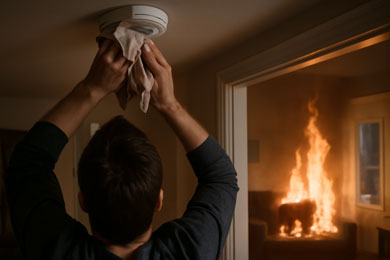
We don’t just help you cope with the alarm.
We help put out the fire.
Why Traditional Therapies Fall Short
For decades, therapists have grappled with PTSD using treatments that only placate the symptoms. Imagine taking medication every day just to tread water, or spending years in therapy only to find traumatic memories still lurking, ready to trigger a debilitating episode. Traditional Therapies Fall Short, because they are“often long term,” “can be emotionally intense,” “symptoms may return”
Success rate = % of clients with full remission or major symptom reduction (no longer meeting PTSD criteria).

SYMPTOM REDUCTION INTENSITY
PTSD Propranolol Memory Reconsolidation Therapy is recognized by:




Our Five P’s Framework
Our Five P’s Framework gives you a clear, compassionate roadmap from trauma to freedom
We help adults, children, veterans, first responders, abuse and accident survivors.
Flashbacks, nightmares, anxiety, avoidance…
Imagine peaceful sleep, feeling safe again, reclaiming your life.”
6-session journey: Assessment → Memory Activation → Reconsolidation → Integration → Freedom.
Investment: Sliding scale. Most insurance accepted.
No more panic that drops you to your knees.
Sleep without fear coming back.
Triggers that used to paralyze you now barely register.
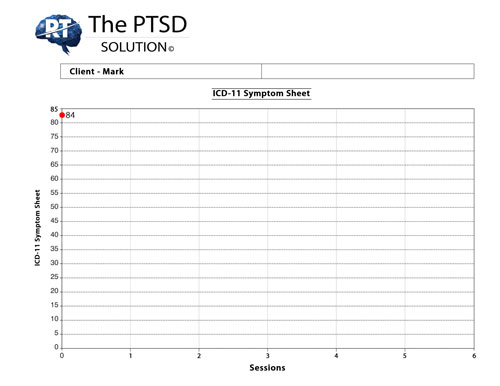
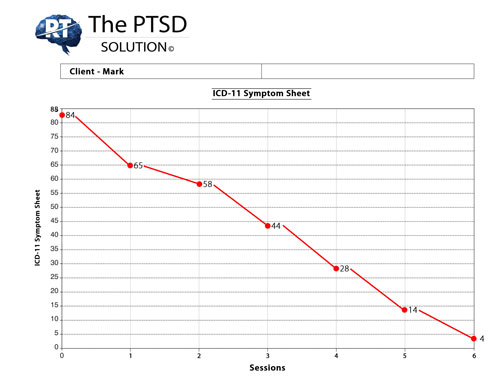
Before & After Results
Real Client Results: Mark’s Journey from Severe PTSD to Complete Freedom

Testimonials
What Our Clients Say
As a veteran who served in combat zones, I've carried the weight of PTSD for years. I tried countless therapies, medications, and support groups, but nothing seemed to work long-term. Discovering The PTSD Solution was a turning point in my life. The unique combination of Reconsolidation Therapy and Propranolol truly made a difference, helping me process and eliminate my symptoms more than I ever thought possible. I've found peace and stability, and I'm incredibly grateful.
Sarah
Michael
David
Emily
Josh
Gloria
My life was in shambles due to a deep personal betrayal and the toll of long-haul Covid symptoms. These factors left me in a constant state of anxiety and depression, with no apparent path to recovery despite numerous attempts at self-care and different therapies. Then, in sheer desperation, I decided to try Reconsolidation Therapy, and this decision marked a turning point in my life.
Danelle
I have recently completed the process with propranolol and it was absolutely amazing. I'm very thankful that I came across Tim. He has what seemed to me to be a completely fresh take and perspective on trauma and how to deal with it which allowed things to heal within me that had seemed to be stubbornly resisting before no matter how much effort I put in. I highly recommend working with him and taking the journey if you have trauma of any sort.
Dee Emma
I transitioned from severe PTSD symptoms to barely any at all. I now feel energized and ready to move forward, free from the overwhelming weight of anxiety and sadness that I previously carried. For anyone dealing with PTSD or traumatic memories, I would highly recommend this therapy.
Jessica
PTSD Treatments with Propranolol Featured In…


Meet Your Healing Partners
Meet the dedicated professionals committed to helping you reclaim your life from trauma. Each specialist is certified in the Brunet Method™ and propranolol protocol, offering years of experience guiding clients through healing. Our approach is compassionate, confidential, and always tailored to your unique needs. Take the first step toward lasting recovery – book your intake session below and experience what true support feels like.

Meghan Laycock
Therapeutic Counsellor
PTSD Trauma Specialist
The Brunet Method™
We help people BE better not just feel better!
Meghan’s clients value her gentle, empowering approach
Initial Visit $185
PTSD Propranolol Full Program $1485
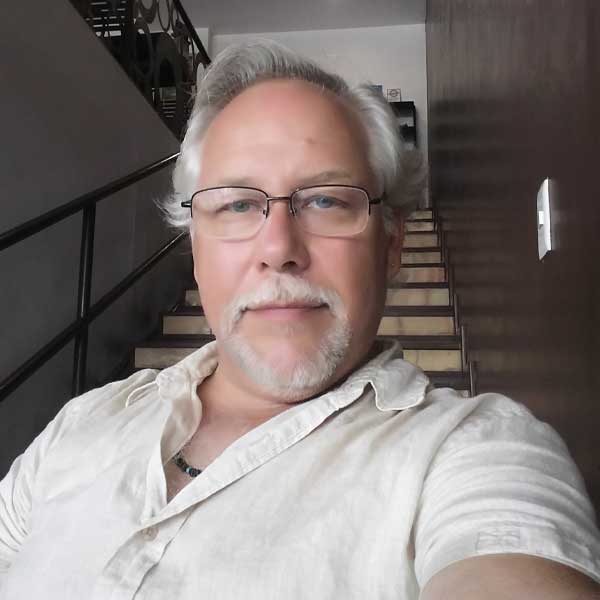
Tim Wheatley
Certified Hypnotherapist
500+ Trauma Clients Helped
The Brunet Method™
Providing Trauma-Informed care for over 20 years
Tim specializes in helping individuals feel safe and hopeful
Initial Visit $185
PTSD Propranolol Full Program $1485
FAQ’s
If you’re reading this far, some part of you is already leaning toward change. These answers are here to make that decision feel safer and clearer.
I’m scared I’ll feel worse before I feel better – is this safe for me?
Your Subtitle Goes Here
You’re here because some part of you is tired of living like this. Together we’ll move at your pace, so each step honours your limits while staying consistent with your desire to heal.
What if I get overwhelmed or shut down during sessions?
Your Subtitle Goes Here
You’ve already proven you can handle hard things. In session, we keep you grounded and in control, turning toward the memory just enough to match your goal of finally feeling better.
Will I have to relive every detail of my trauma?
Your Subtitle Goes Here
Reading this FAQ shows you’re willing to consider change. You won’t need to relive every detail; we focus on one key memory so your bravery leads to real relief, not more harm.
What if this doesn’t work for me like it did for other people?
Your Subtitle Goes Here
You’re researching options because quick fixes haven’t lasted. This protocol respects that experience and offers a clear, structured path aligned with your intention to get real results.
My trauma is complicated, is it even fixable?
Your Subtitle Goes Here
The fact that you’re still looking for answers means you haven’t given up on yourself. We match that determination with a method built for complex, long‑standing trauma.
I’ve tried so many therapies already, why would this be different?
Your Subtitle Goes Here
You’ve invested time, money, and hope before. Choosing a 6‑session, science‑based approach is a way to stay consistent with your belief that your life is worth one more serious try.
How long will this actually take before I feel real relief?
Your Subtitle Goes Here
You’ve already given PTSD years of your life. Committing to a short, focused series of sessions is a way of standing by your decision that your time should go toward getting free, not just coping.
Will I be able to function at work and home while doing this?
Your Subtitle Goes Here
You juggle a lot and still made it here. We design treatment around real‑life demands so your choice to seek help stays aligned with your responsibilities, not in conflict with them.
Do I have to commit to therapy for months or years?
Your Subtitle Goes Here
By reading about this protocol, you’re signalling you don’t want endless therapy. A defined 6‑session plan lets your next step match that desire for a clear beginning, middle, and end.
Is taking Propranolol for trauma safe – what should I worry about?
Your Subtitle Goes Here
You’re cautious about medication, which shows you take your health seriously. We honour that by fully reviewing propranolol’s role so any decision you make fits your careful, informed approach.
Will this medication change my personality or numb my feelings?
Your Subtitle Goes Here
You want relief, not to feel like a different person. Propranolol simply supports the work you’re already willing to do in session, helping your actions line up with your values and goals.
What if I have other health conditions or take other meds?
Your Subtitle Goes Here
You’ve likely checked your meds or conditions before starting new treatments. We continue that pattern by screening thoroughly and coordinating with your doctor when needed.
Will I stay in control of what I share and how far we go?
Your Subtitle Goes Here
You’ve protected yourself for a long time, and that caution has kept you going. In this therapy, you stay in charge of what you share so your boundaries and your healing can work together.
Who will know I’m doing this therapy – is my information private?
Your Subtitle Goes Here
You chose a private, specialized clinic instead of posting your story online. We extend that same respect with encrypted systems and strict confidentiality at every step of care.
What if I’m afraid to trust another therapist and get disappointed again?
Your Subtitle Goes Here
Past disappointments haven’t stopped you from looking for something that fits. Starting with a free, no‑pressure call lets you keep that promise to yourself, to seek real help on your own terms.
How do I know if I am ready for PTSD Treatment?
Your Subtitle Goes Here
If you here, you are ready for PTSD treatment otherwise you wouldn’t be here. Many people with PTSD are not wanting to think about their trauma, and many never feel completely ready to start treatment.
Take the First Step Toward Real Relief
If something in you is thinking “This finally makes sense” – trust that.
You don’t need more willpower.
You don’t need to relive the trauma.
You don’t need to manage this forever.
You need the memory to update.
👉 Schedule a confidential consultation
👉 Still unsure? Learn if reconsolidation therapy is right for you
🛡️🔒 Your Privacy & Safety Are Our Top Priority
Most people start with a free 20‑minute discovery call to ask questions and see if this feels like a good fit.
SERVICES
Other Counselling Services


Counselling Sessions


Hypnotherapy


Doula
Recent Articles

PTSD Symptoms
PTSD Symptoms: Why So Many People Feel Like This Describes ThemIf you have experienced a traumatic event, you might recognize some of the symptoms listed here. In fact, if you read through a list of PTSD symptoms, you might think many of them sound like things you...

What is PTSD?
You carry a weight no one else can see. You’re always on edge, waiting for the next bad thing to happen. At night, your mind won’t shut off. During the day, you feel like you’re acting your way through life while watching everyone else handle things so easily. If this sounds familiar, you’re not alone—and it’s not your fault.
These feelings aren’t signs of weakness. They’re signs of Post-Traumatic Stress Disorder (PTSD), a specific biological condition that’s more like a physical injury than a mental illness. Imagine your brain as a filing cabinet. Usually, memories get filed in the “Past” folder. But when trauma happens, your brain gets overwhelmed and forgets to file that memory away. Instead, it stays loose on the desk of your mind, feeling like it’s happening right now.
Standard talk therapy and medications often just manage symptoms—they don’t fix the root cause. But there’s a solution that actually retrains your brain: Reconsolidation Therapy. This evidence-based treatment doesn’t just help you cope with the alarm system in your brain—it finally turns it off. Discover how 70% of patients no longer have PTSD after just six sessions, and why this approach succeeds where traditional methods fall short.

Is PTSD Curable?
Most people living with PTSD sense that there is more to healing than just “coping better,” and you’re likely the kind of person who wants real, lasting change, not another quick fix.
You already know your symptoms are serious, yet you also have a quiet belief that your brain can reset and your life can feel safe and connected again, even if part of you worries you have waited too long.
Thousands of people with stories as complex as yours have followed this step‑by‑step trauma treatment and discovered that PTSD is not a life sentence but a condition that can go into full remission with the right support.
If you are willing to take one small next step today, this specialised PTSD therapy process will guide you from constant survival mode into a calmer, steadier nervous system so you can finally live the life you keep hoping is still possible.