
What Are PTSD Symptoms?
When PTSD develops, people usually experience symptoms in four main areas:
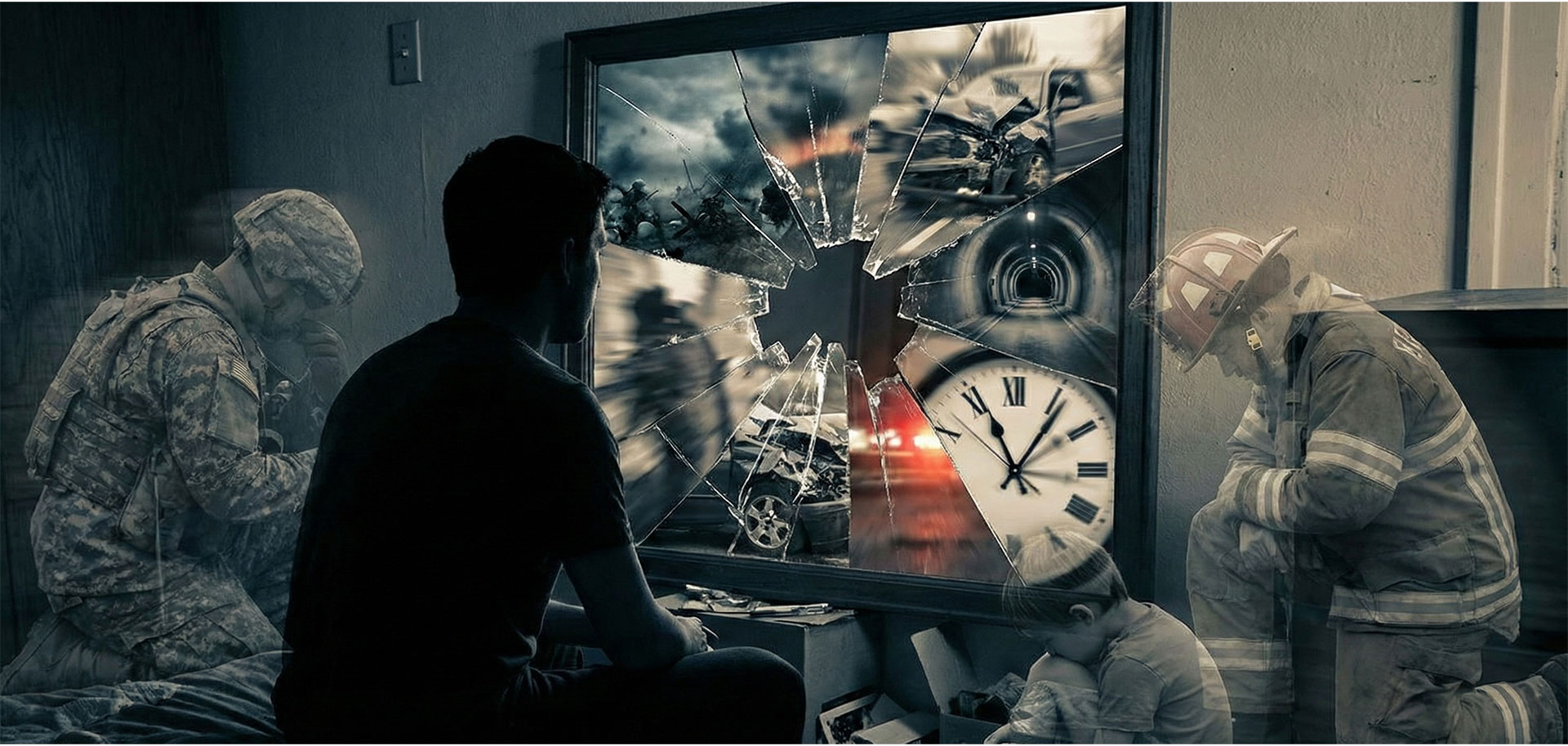
Reexperiencing the trauma: You might have sudden, unwanted memories of the event. These can feel very real. Some people have flashbacks where they feel like they are back in the traumatic moment. Nightmares about the event are also common.
Avoidance behaviors: People with PTSD often try to avoid anything that reminds them of the trauma. This might mean avoiding certain places, people, or even thinking about what happened. Some people avoid talking about their experience altogether.
Negative changes in thinking and mood: After trauma, many people feel sad, angry, or empty. They might lose interest in activities they used to enjoy. Some people feel ashamed or blame themselves for what happened. Trust in others becomes harder.
Increased arousal: This means your body is stuck in a state of high alert. You might have trouble sleeping or concentrating. You could feel easily startled or irritated. Some people describe it as their nervous system being stuck in high gear.
Why So Many Of Us Feel Like We Have These Symptoms
This means that many symptom combinations are considered PTSD. Because of this, the symptom list can seem to fit almost everyone who has experienced something difficult. If you read the list, you might notice some symptoms that seem normal to you. That is because many PTSD symptoms are actually normal stress responses.
For example, having trouble sleeping, feeling worried, or avoiding things that stress us out are experiences almost everyone has had. So when you read a list of PTSD symptoms, it might feel like they describe you. This is not unusual. Many of the symptoms listed can happen to people who do not have PTSD.
Why General Descriptions Feel Personal
When you read that PTSD includes “difficulty concentrating” or “feeling on edge,” it feels like the symptom was written just for you. That is because these are very common experiences. Most people have trouble concentrating sometimes. Most people feel worried or on edge at some point.
The thing is, general statements about human experience naturally feel personal when we read them. When we see a description of something we have felt, our brain immediately recognizes it and thinks about our own situation. This is how we are wired. We look for ourselves in information we receive.
This is why reading a PTSD symptom checklist can make you think you have PTSD, even if what you are experiencing is a normal response to a stressful situation.
Not All Trauma Creates the Same Response
This means that not everyone who has experienced trauma needs the same type of help. And just because you feel some of the symptoms listed does not mean you have PTSD.
What Really Matters: Getting the Right Treatment
For people who do have PTSD, research shows that some treatments work better than others. Reconsolidation Therapy, offered by The PTSD Solution, represents a major advance in trauma treatment. This approach works with how your brain actually processes traumatic memories.
When we experience trauma, our brain stores the memory in a specific way. Traditional therapies often focus on managing symptoms or talking about what happened.
Reconsolidation Therapy takes a different approach. It targets the actual memory itself. By working with memory reconsolidation, this treatment helps your brain update and heal the traumatic memory at its source.
The way Reconsolidation Therapy works is supported by modern neuroscience. Your brain can actually change how it remembers traumatic events. Reconsolidation Therapy uses specific techniques to help this natural healing process happen. Many people experience significant improvement in their PTSD symptoms through this approach.
The Difference Between Common Stress and PTSD
It is important to understand the difference. Many people feel worried or stressed after difficult experiences. That is normal. PTSD is different. With PTSD, symptoms are:
- Severe enough to seriously interfere with daily life
- Lasting more than one month after the traumatic event
- Causing real distress or disability
- Not improving on their own with time
If your symptoms fit this description and you have experienced trauma, it is worth talking to a professional about treatment options.
Why People Choose Reconsolidation Therapy
People who have worked through their trauma using Reconsolidation Therapy often report that they feel fundamentally different. They are not just managing symptoms. The traumatic memory itself loses its power over them. Life becomes easier again. They can remember what happened without being emotionally overwhelmed.
When people see that others have found relief through a particular approach, they become more interested in trying it themselves. It makes sense. If someone like you found help this way, there is a better chance it could help you too.
This is not just another talk therapy. This is a treatment based on how your brain actually works.
What Should You Do Now?
If you see yourself in the PTSD symptoms described above, do not panic. Recognizing yourself in symptom lists is actually quite normal, even for people who do not have PTSD.
But if you experienced something traumatic and your symptoms are:
- Severe
- Persistent (lasting weeks or months)
- Getting in the way of your work, relationships, or daily activities
Then it is time to seek professional help. And if you have tried other treatments without good results, Reconsolidation Therapy by The PTSD Solution offers a different path forward.
The key is finding a treatment that targets trauma at the source. Not all therapies do this. Reconsolidation Therapy does. That is why it works differently and why people see results.
Your brain is capable of healing. It just needs the right approach.
About The PTSD Solution
The PTSD Solution specializes in Reconsolidation Therapy for people struggling with trauma and PTSD. This evidence-based approach targets the memory itself, helping your brain process traumatic experiences in a new way. If you are ready to move beyond symptom management and actually heal from trauma, Reconsolidation Therapy by The PTSD Solution is a powerful option worth exploring.
Trauma does not have to be forever. The right treatment can change everything.





0 Comments