
You have likely felt like you are carrying a heavy weight that no one else can see. You are the kind of person who values safety and peace yet you often find yourself feeling on edge. You are always waiting for the next bad thing to happen. You have a deep inner strength that has gotten you through difficult times even if you do not always give yourself credit for it.
At times you might feel like you are watching a movie of your own life rather than living it. You might feel that your mind simply will not shut off when you try to sleep. You look at other people and wonder how they handle life so easily while you feel like you are acting your way through the day.
If this sounds like you then you are not alone. These feelings are not a sign of weakness. They are signs of a specific biological condition known as Post-Traumatic Stress Disorder or PTSD. It is not a character flaw. It is a physical issue in the brain.
It Is Not Just Stress
Many people think PTSD is just being stressed out. But experts tell us it is actually much more like a physical injury than a mental illness.
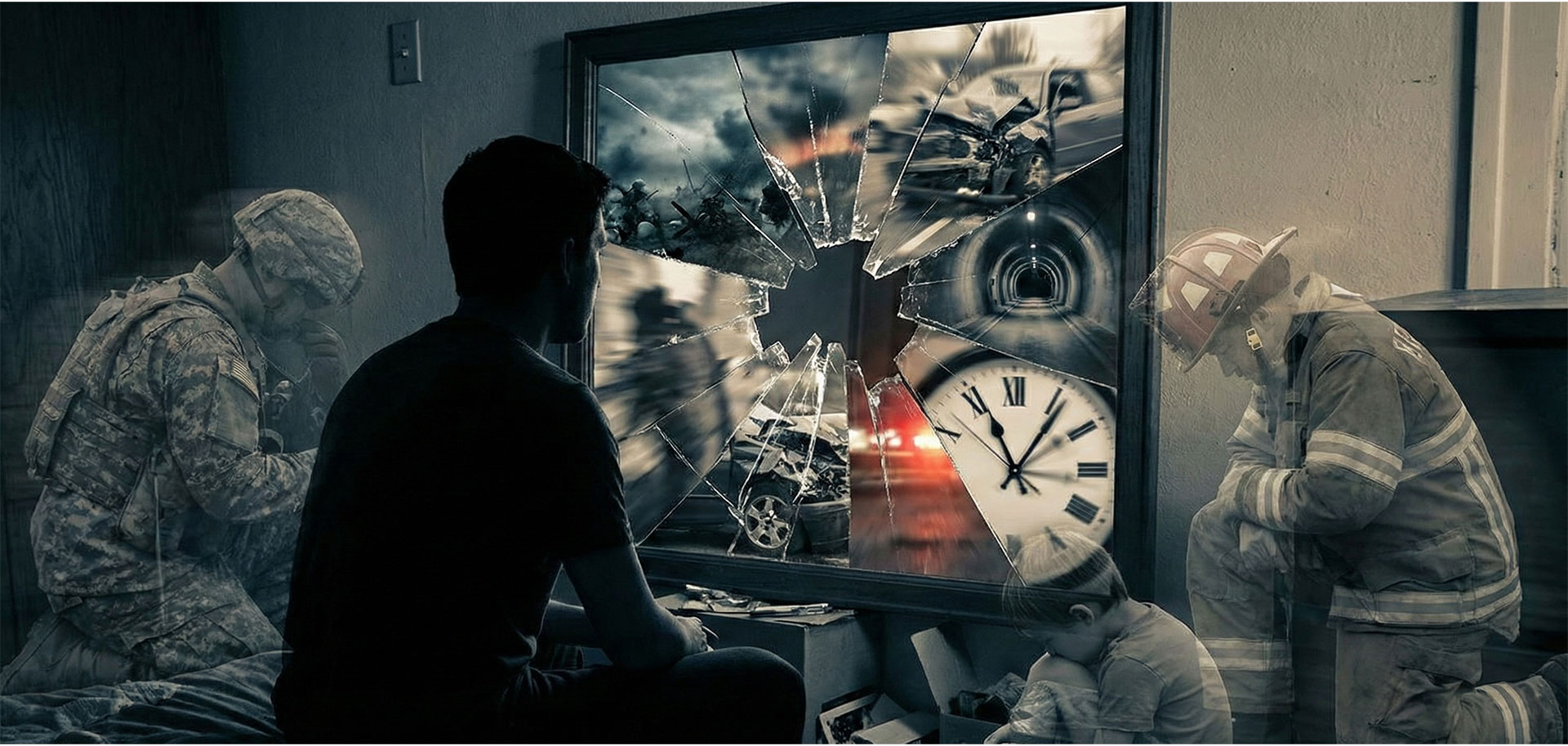
Imagine your brain is a filing cabinet. Usually when something happens your brain files the memory away in the “Past” folder. You know it is over. But when a traumatic event happens like a car accident or an assault the brain gets overwhelmed. It forgets to file that memory away. Instead that memory stays loose on the desk of your mind. It looks like it is happening right now.
Authority Principle: According to the rulebook doctors use called the DSM-5 PTSD happens when a person is exposed to serious danger and feels intense fear or helplessness.
The Biology of the Traumatized Brain
To understand why you feel this way we need to look at the characters inside your head. You are not choosing to be scared. It is happening automatically because of four key players in your brain.
1. The Thalamic Relay: The Bodyguard
Think of the Thalamic Relay as your brain’s personal Bodyguard. It stands at the front door of your mind. Its job is to check everything you see, hear, or smell.
When the Bodyguard senses something like a loud noise it has two choices.
- The High Road: It can send the message to your Thinking Brain. This takes a split second. The Thinking Brain checks it out and says “It is just a car backfiring.”
- The Low Road: It can send the message straight to your alarm center. This is instant.
In your brain the Bodyguard has gone rogue. It is disregulated. It has stopped trusting the High Road. It sends almost every warning down the Low Road directly to the alarm center. It hits the panic button before your Thinking Brain even knows what is happening. This is why you jump first and think later.
2. The Amygdala: The Smoke Detector
The Amygdala is the alarm center. It acts like a smoke detector. When the Bodyguard sends it a signal via the Low Road the Amygdala screams “Danger!” It does not ask questions. It floods your body with adrenaline to make you run or fight. Because your Bodyguard is sending it constant warnings your smoke detector is always beeping.
3. The Hippocampus: The Librarian
The Hippocampus is the Librarian. Its job is to file memories away with a time and date stamp. In a brain with PTSD the Librarian is often hiding under the desk. The stress hormones suppress it. This means the traumatic memory never gets filed away. It stays fresh and loose.
4. The Prefrontal Cortex: The CEO
This is your Thinking Brain. It is supposed to be the CEO who tells everyone to calm down. But because the Bodyguard is bypassing it and using the Low Road the CEO never gets a chance to speak. The alarm rings too loud for logic to work.
The Signs You Might Recognize
You might notice that you are very independent and prefer to handle things on your own. But sometimes you feel isolated. If you have PTSD you likely experience problems that fall into three main groups.
Re-living the Event
This is not just remembering. It feels like the event is invading your life. You might have nightmares or flashbacks where you feel like you are back in the dangerous situation. The “Barnum effect” means you might feel this is unique to you but many others report the exact same feeling of being haunted by the past.
Avoiding Reminders
You are a problem solver so you try to fix the pain by avoiding it. You might stop going to certain places. You might stop watching the news. You try hard to push thoughts away to protect yourself. You might feel a “glass wall” between you and your family.
Being on Guard
You might feel jumpy or have trouble sleeping. You might get angry easily over small things. It is like your body’s alarm system is stuck in the “ON” position. This is called hyperarousal. It is exhausting because your body is running a marathon while you are sitting on the couch.
Why “Managing” It Does Not Work
You have probably tried talk therapy before. You are willing to do the work. You sat there and told your story. You might have felt better for a little while but then the symptoms came back.
Consistency Principle: If you want true freedom you need a solution that actually fixes the problem. You do not want one that just covers it up.
Standard therapies often rely on something called extinction. This basically means teaching your brain to ignore the alarm. It creates a new “safety memory” to cover up the old “danger memory”. But the old danger memory is still there lurking in the background. If you get stressed the old memory wins and you relapse. These treatments help you cope with the Bodyguard but they do not retrain him.
Pills like antidepressants just turn down the volume. They do not turn off the music. When you stop the pills the music comes back on.
The Solution is Reconsolidation Therapy
Scarcity Principle: There is a unique way to stop this cycle and it is not found in standard talk therapy. We recommend Reconsolidation Therapy by The PTSD Solution. Time is passing and you do not want to lose more years of your life to this pain.
This approach targets the specific file in your brain. It does not just manage the symptoms. It fixes the root cause.
How It Works
- Unlock
You briefly reactivate the memory. This opens a specific window of opportunity in your brain. For about five hours the memory becomes changeable like wet clay.4
- Block
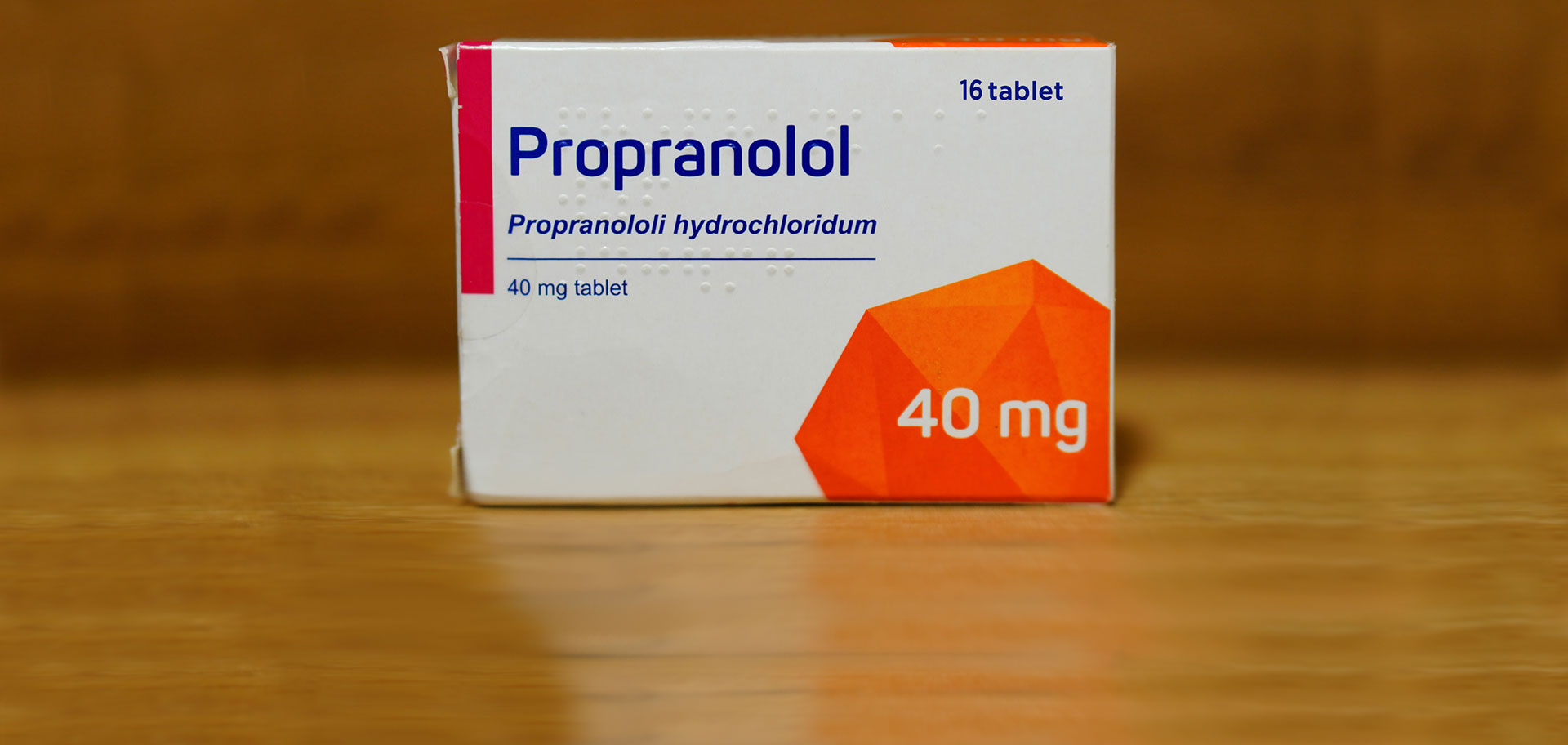
You take a safe medication called Propranolol. This is not a sedative. It blocks the adrenaline that makes the memory stick like superglue. It stops the physical shaking and racing heart.4
- Re-save
Because the adrenaline is blocked your brain is forced to save the memory again without the intense emotion. The Bodyguard sees that the memory is not dangerous anymore. The file is finally put in the cabinet.
The Results
Social Proof: You are not a guinea pig. This method has been used on thousands of people. Studies show that 70% of patients no longer have PTSD after just six sessions. People who had nightmares for decades finally slept through the night.4
Authority: This treatment is backed by research from top places like McGill University and Harvard. It is real science
Locking It In with NeuroWave
To make sure the cure sticks The PTSD Solution uses something called NeuroWave. This is a special audio technology.
After your session you listen to specific sounds. These sounds help your brain enter a deep state of relaxation. It is like hitting the “Save” button on your computer. It ensures the new calm memory is locked into long-term storage
Conclusion: Your Path to Peace
Reciprocity: You owe it to yourself to stop just managing the pain. You have taken the time to read this which shows you are ready for change.
You have survived 100% of your bad days so far. That is proof of your resilience. But you do not have to just survive. With Reconsolidation Therapy you can fix the error in the filing cabinet. You can retrain the Bodyguard.
Do not settle for therapies that only offer temporary relief. The PTSD Solution helps your brain do what it could not do before. It finally files that memory away for good.





0 Comments